Maricopa Community Colleges is strengthening its role as a vital community anchor by extending its impact beyond traditional education. Through community-based programs and services, the 10-college system connects students and residents with resources to address essential needs. This effort underscores Maricopa Community Colleges’ commitment to supporting the well-being of the communities it serves.
“Our impact extends far beyond the classroom, from charitable giving to providing healthcare needs to low-income and uninsured individuals, to basic needs support for our students,” said Dr. Steven R. Gonzales, Maricopa Community Colleges Chancellor. “We are always looking for ways to broaden our reach with our local communities.”
A Culture of Giving
Maricopa Community Colleges' culture of giving is evident through its long-standing partnership with the Valley of the Sun United Way (VSUW). Over the past decade, employees across the system have demonstrated their collective generosity through monetary donations and volunteering their time to the organization. This year, through employee contributions, the system raised nearly $69,000 to support various VSUW initiatives, including education, housing stability, health, and workforce development for thousands of local families.
Connecting Communities with Services
The 10 colleges open their campuses to the public, connecting communities to services, including farmers’ markets such as the Gilbert Market, held at Chandler-Gilbert Community College (CGCC), and the Desert Willow Market at Estrella Mountain Community College (EMCC).
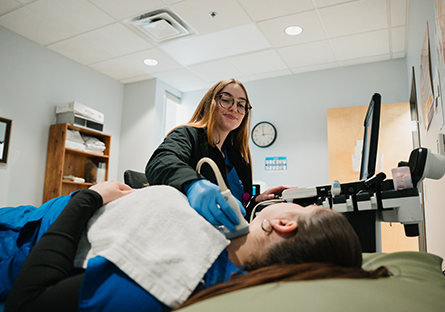
Additionally, several colleges provide essential healthcare services through public-facing clinics. These clinics offer healthcare students a clinical education experience while benefiting the local community, which may not have access to healthcare services.
- GateWay Community College’s (GWCC) state-licensed Healthcare United at GateWay (HUG) offers pro bono services to low-income and uninsured patients with chronic diseases such as lymphedema, cancer, COPD, multiple sclerosis, asthma, and diabetes. The HUG clinic also provides ultrasounds for injuries and pregnancy-related care.
- Mesa Community College’s (MCC) Dental Hygiene Clinic and Rio Salado College’s Dental Clinic offer affordable dental care to residents, including teeth cleaning, X-rays, gum disease screenings, blood pressure screenings, oral cancer screenings, and other services.
Fighting Student Food Insecurity
To combat food insecurity, the system’s colleges have partnered with numerous nonprofit organizations. MCC, along with several other colleges, hosts annual Empty Bowls events. This year, MCC raised funds for the nonprofit organization Paz de Cristo Community Center. Several colleges, including GWCC, Glendale Community College (GCC), and Phoenix College (PC), partner with St. Mary’s Food Bank for monthly food drives. A recent $25,000 grant from the BHHS Legacy Foundation will further help support PC's efforts.
A recent survey conducted by Maricopa Community Colleges and the Hope Center found that 43% of students experienced food insecurity. To help students facing hardship, on-campus resources like CGCC’s Coyote Cupboard, EMCC’s Student Food Pantry, GWCC’s Gecko Grocery, GCC’s Food Pantry, MCC’s Mesa Market, Paradise Valley Community College’s (PVCC) Puma Pantry, PC’s Bumstead’s Resource Room, Scottsdale Community College’s Artie’s FIT Market, and South Mountain Community College’s The Village provide direct access to food and necessities.
Empowering Students for Career Success
Through PVCC’s first-of-its-kind partnership with Dress for Success Phoenix, students receive professional clothing as well as support and development tools to help them prepare for their careers.
Community is central to the mission of Maricopa Community Colleges. These multifaceted initiatives and partnerships demonstrate the vital role the 10-college system plays in enhancing the quality of life for its students and the public.